An all-metal crown is cast in one piece from a dental alloy, with no porcelain over it. It is the strongest crown made and the least attractive, which between them explain exactly where it is used and where it is not.
An all-metal crown is cast in one piece from a dental alloy, with no porcelain over it. It is the strongest crown made and the least attractive, which between them explain exactly where it is used and where it is not.
The short answer. All-metal crowns go on molars - the teeth that do the chewing and that nobody sees. They need less tooth removed than any other crown, and they almost never chip, because there is no ceramic on them to chip.
02
Why anyone still chooses metal
Three reasons, all practical. It is the most conservative crown available, because metal is strong in thin sections and less tooth has to come away to make room for it. It does not chip. And it wears at a rate closer to natural enamel than porcelain does, so it is gentler on the tooth biting against it.
For a second molar in a heavy bite, those three things matter more than colour. For anything you can see when you talk, they do not.
03
How an all-metal crown is made
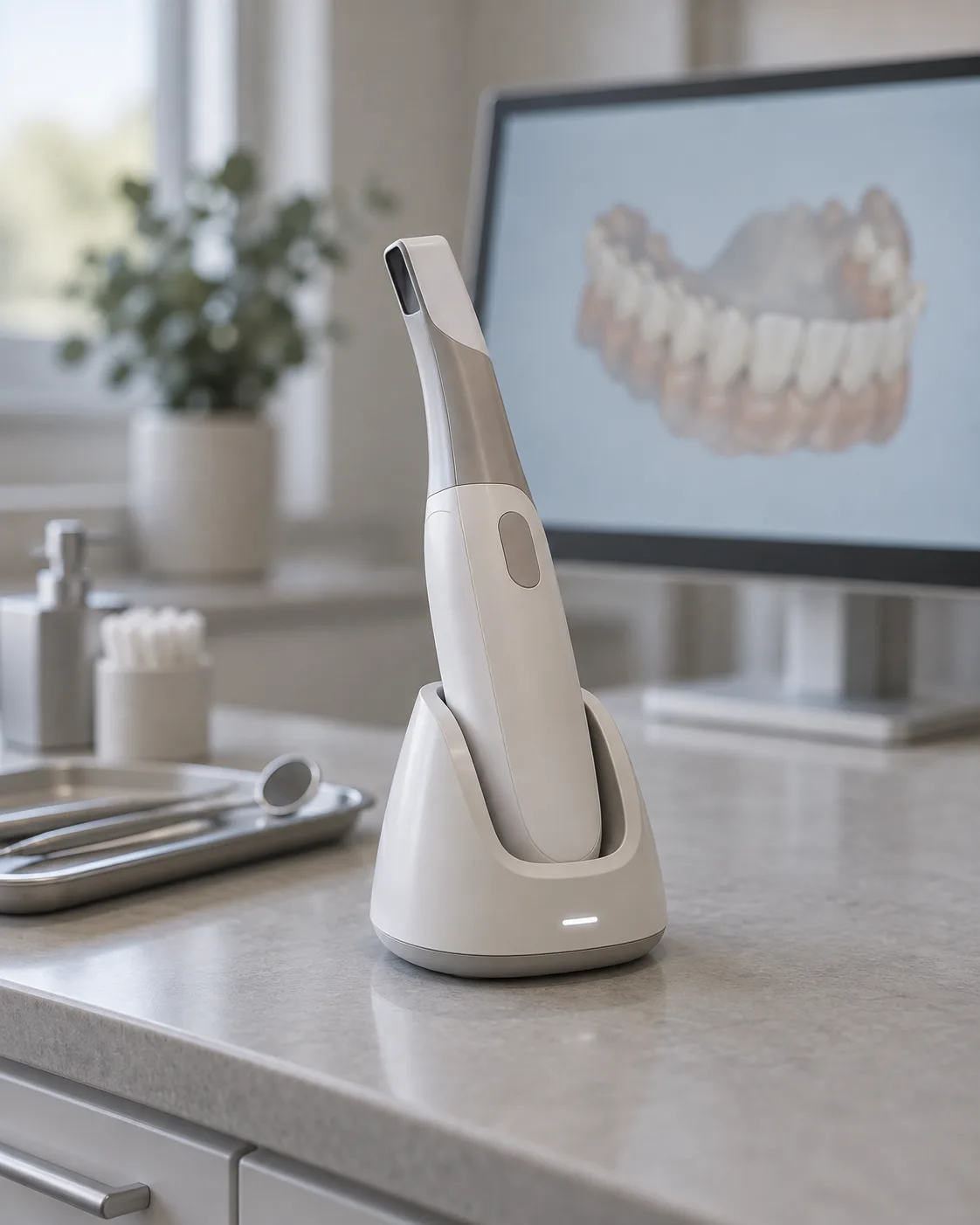
The tooth is prepared conservatively and scanned or impressed. The crown is cast in one piece, then fitted, adjusted against your bite and polished - and the polish is not cosmetic. A rough metal surface abrades the opposing tooth; a properly polished one does not.
04
Getting the fit right at the margin
Everything about a crown's lifespan comes down to the join between crown and tooth. Cast metal reproduces a fine margin extremely accurately, which is one of the reasons these crowns last as long as they do.
The bite is checked and adjusted at the fit. A crown a fraction too high is felt within days and is the commonest reason a new crown is uncomfortable, so say something at the appointment rather than hoping it settles.
05
After the crown is fitted
Some sensitivity to cold for a few days is normal, particularly if the tooth still has a live nerve. Metal conducts temperature more readily than ceramic, so it can be a little more noticeable at first and then stops.
The bite may feel unfamiliar for a day or two while you adjust. Anything that still feels high after that is not settling and should be adjusted.
06
Sterilisation and materials
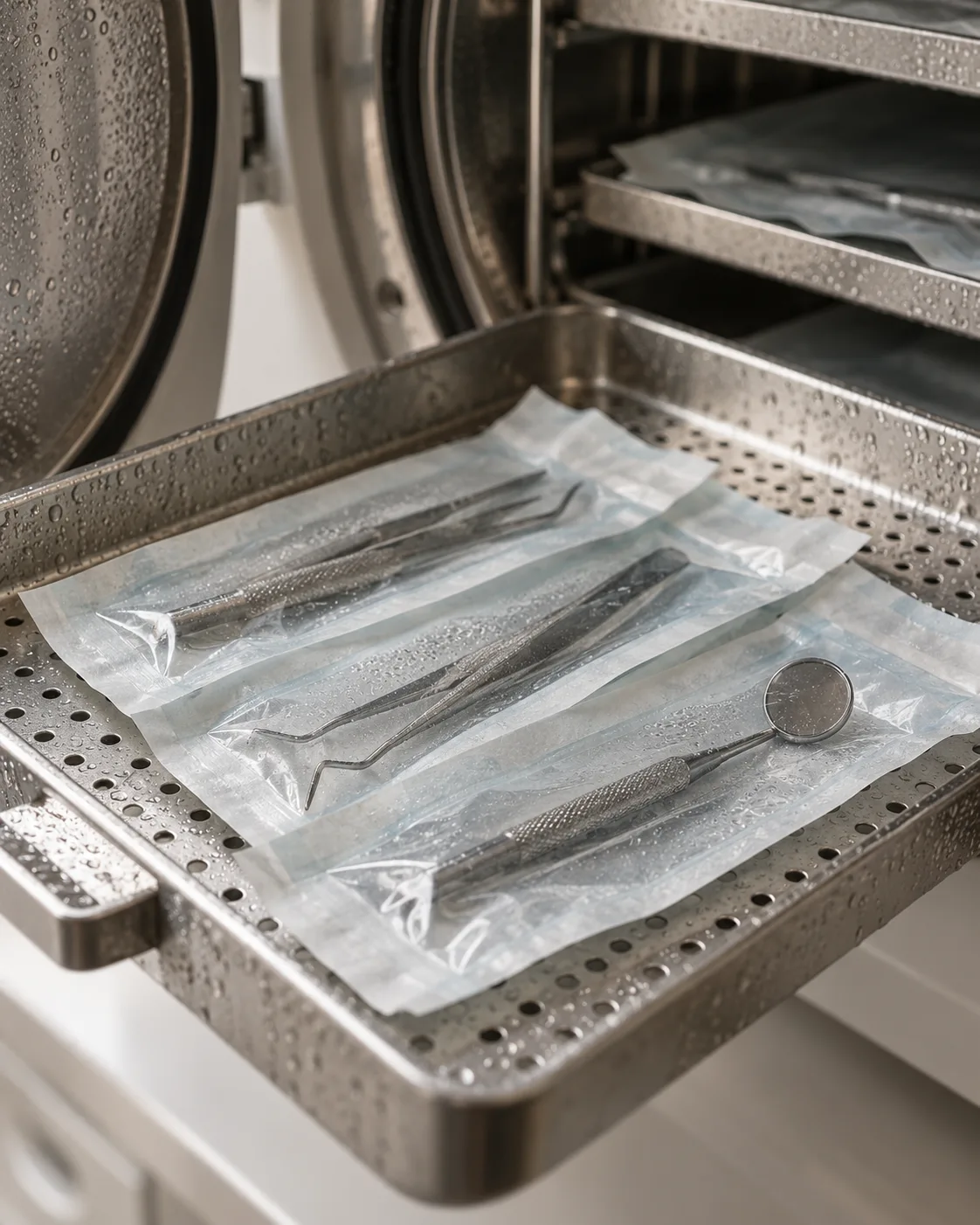
Instruments are pouched and autoclaved, single-use items are single-use, and the alloy used is a certified dental alloy with documentation - not a generic metal.
If you have ever reacted to costume jewellery or a watch back, say so at the assessment. Base alloys usually contain nickel, and a precious-metal or metal-free crown is used instead where that applies.
07
What crowns cost in Antalya
Every crown material is on the published price list. A metal porcelain crown is £100 a tooth, zirconia is £170, ZirCad Prime is £200 and E-max is £200. Gold-ceramic is priced on assessment because the alloy is priced by weight.
The figure on your written quote is the figure you pay. It does not move after a scan unless the plan itself changes, and if it changes you are told before anything is done.
08
Having crowns done at home or abroad
At home you get continuity and a five-minute journey when something needs adjusting. You also pay UK private rates - around £850 for a crown that is £170 here - or wait for an NHS appointment that may not come.
Abroad you get the price, and you take on the travel and the distance. The distance is the real risk, not the dentistry, which is why our guarantee is administered from the UK and why your patient manager is here. If a crown needs attention and returning is impractical, we contribute up to £90 toward a local repair, agreed in writing first.
For one crown, the arithmetic rarely works. For several, it does, and it is worth doing the sum honestly with flights and a hotel included rather than being sold a percentage.
09
What we actually do
We are a UK company that arranges treatment in Antalya. We are not the clinic and we do not pretend to be - we audit the ones we work with, hold the plan, and stay accountable from here when you are home.
Every chargeable item published, so a quote is a sum you can check.
A written price before you fly, confirmed after a clinical assessment.
Five years on crowns and full veneers, lifetime on implant screws.
One named patient manager in the UK from first message to last check-up.
Alloy, casting and polish
How an all-metal crown is designed and made
An all-metal crown has no porcelain to chip and needs the least tooth removed to fit. There is no shade to choose; what is chosen is the alloy, and the crown is cast, fitted and polished for your tooth alone. This is what goes into it.
01
The alloy
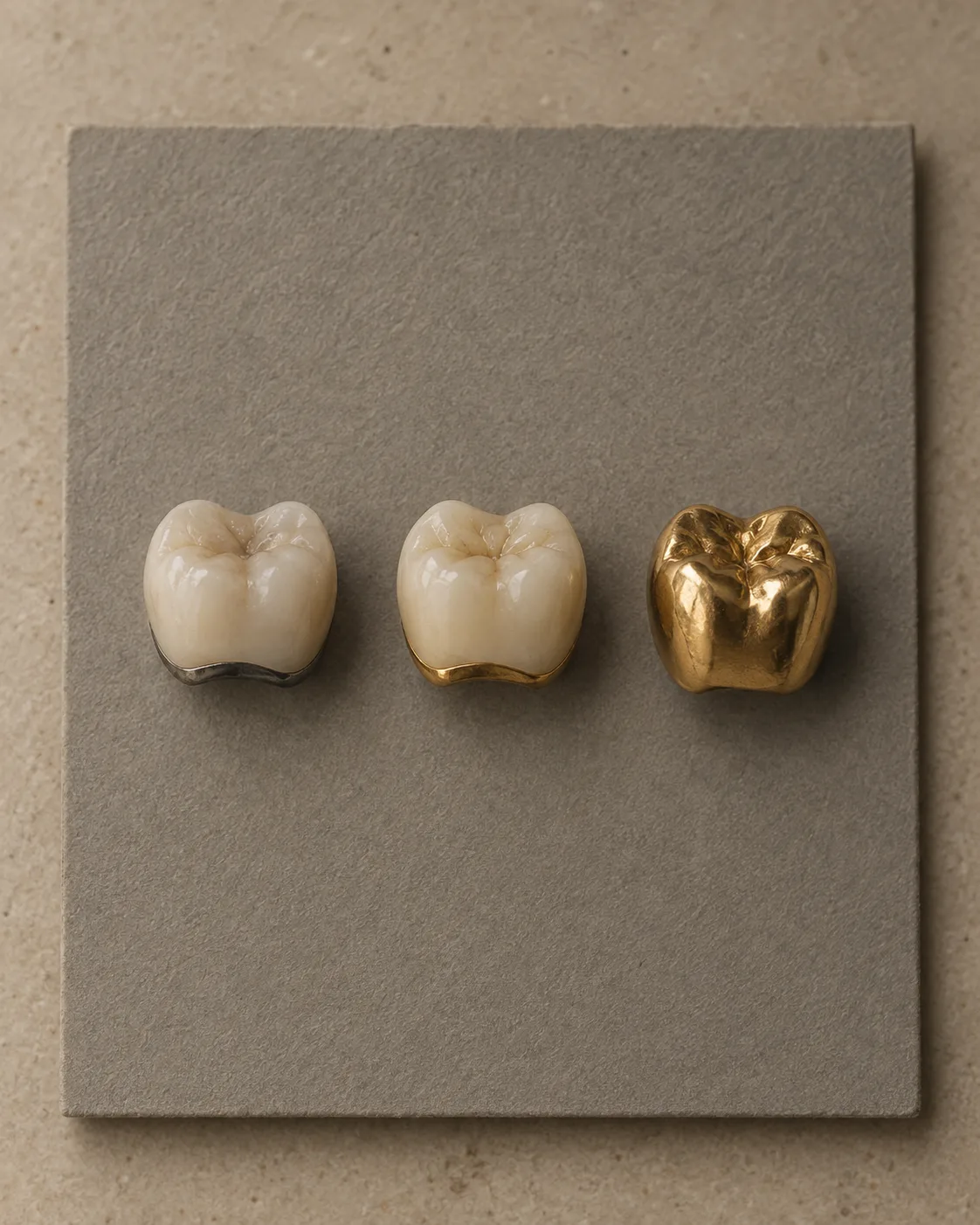
Gold alloy is the classic: it wears at the same rate as enamel, so it is kind to the tooth it bites against, and its edge seals against the tooth better than any other material. Base-metal alloys are harder and cheaper. Both are cast the same way.
02
The wax pattern
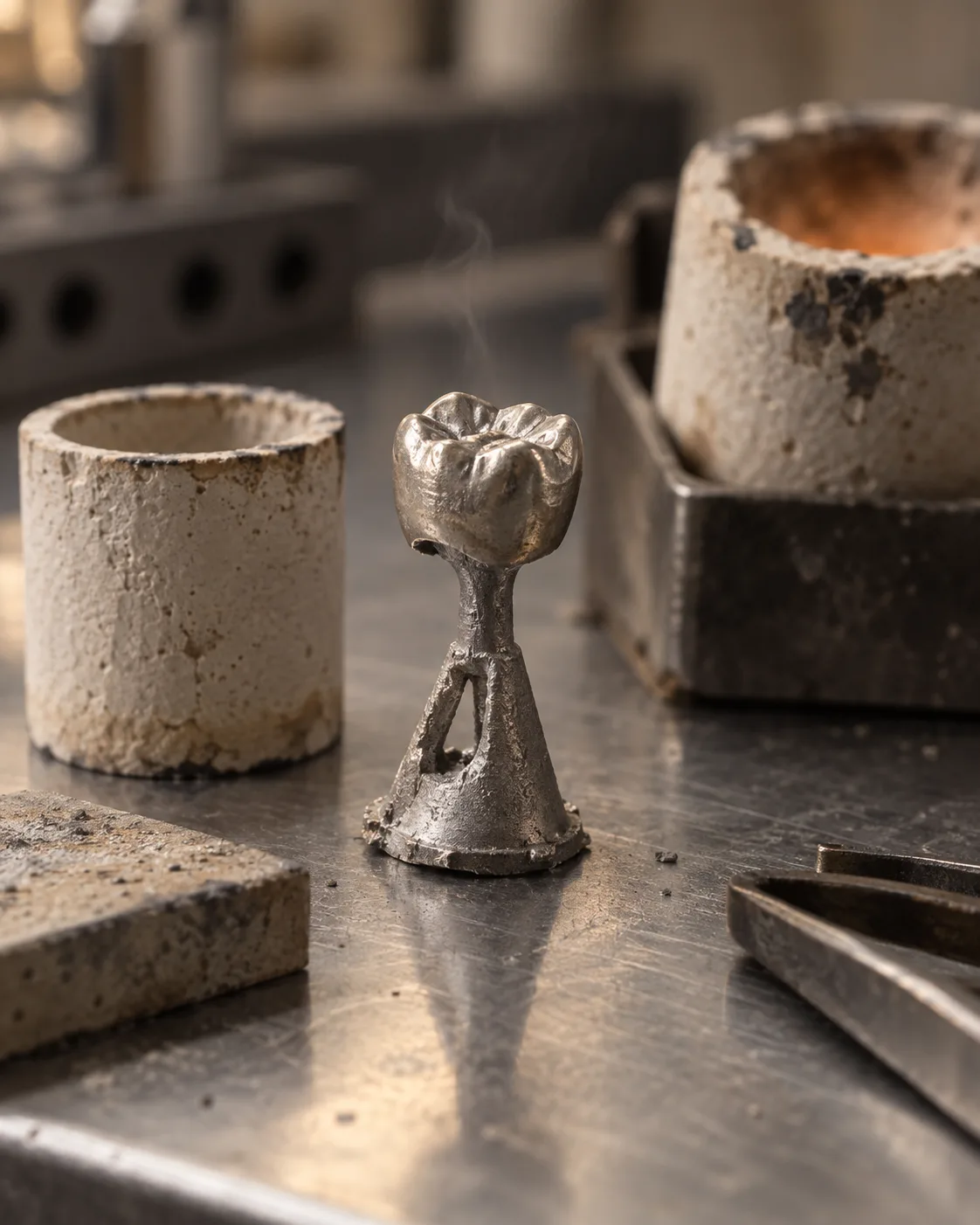
Every cast crown starts as a wax carving on a model of your prepared tooth. The technician shapes the biting surface to meet the teeth opposite, and the wax is what the metal will copy exactly.
03
Casting and polishing
The wax is set in a mould and burnt out, molten alloy is cast into the space it leaves, and the crown is trimmed, fitted to the model and polished to a mirror finish. A polished surface is what keeps plaque from settling on it.
04
The metal
There is no best alloy, only the right one for the tooth and the budget. Your plan names it, per tooth, before you pay anything.
Alloy
What it is
How it behaves
Best for
High-noble gold
Mostly gold, with platinum or palladium.
Wears like enamel, never corrodes, seals the edge best.
Back teeth that will be chewed on for decades.
Noble alloy
Less gold, more palladium or silver.
Nearly as kind to the opposing tooth, a little harder.
Back crowns where the price of gold matters.
Base metal (cobalt-chromium)
No precious metal, nickel-free.
The hardest and the cheapest; can wear the opposing tooth over time.
Bridges and heavy bites on a budget.
Six steps in the laboratory upstairs
How each crown is made
Lost-wax casting is the oldest technique in dentistry and it is still done by hand, one crown at a time.
01The scanYour prepared tooth is scanned, or an impression is taken, and a stone model is poured.
02The wax patternThe crown is carved in wax on the model, its biting surface shaped against the teeth opposite.
03CastingThe wax is set in a mould and burnt out, and the alloy is cast into the space it leaves.
04FittingThe casting is trimmed and seated on the model until the edge closes with no gap.
05PolishingPolished on the lathe to a mirror finish, so nothing sticks to it.
06The try-inTried in, the bite checked and adjusted, and cemented once you are happy.
Answered plainly
All-metal crowns: your questions answered
Still not sure? A clinician talks it through before you commit to anything.
Metal crowns are priced with the metal porcelain crown at £100 a tooth, the lowest crown figure on our published list. Zirconia is £170 and E-max is £200.
Why would I choose metal over a tooth-coloured crown?
Three practical reasons: less tooth has to be removed, it does not chip, and it wears at a rate closer to natural enamel than porcelain does. All three matter on a second molar and none of them matter on a tooth that shows.
Will people see it?
Only if it is on a tooth visible when you laugh, which is why it is confined to the back of the mouth. If a molar shows on your smile line, choose zirconia.
Does it contain nickel?
Base dental alloys generally do. If you have ever reacted to costume jewellery or a watch back, say so at the assessment and a precious-metal or metal-free crown is used instead.
Will it set off airport scanners?
No.
How long does an all-metal crown last?
Five years of guarantee against failure, and in practice these outlast every other kind because there is no ceramic on them to chip.
Does metal wear down the tooth biting against it?
Less than porcelain does, provided it is properly polished. A rough metal surface is abrasive; a polished one is not, which is why the polishing stage is not cosmetic.
Can I replace an old metal crown with a white one?
Yes, though more tooth usually has to come away to make room for ceramic. If the metal crown is sound and hidden, replacing it costs you tooth structure for no clinical gain.
What if it comes loose at home?
Keep it, do not glue it, and message your patient manager in the UK. Recementing is covered, and where returning is impractical we contribute up to £90 toward a local repair.
Tell us what you need. We will price it in writing.
One message and a coordinator replies with an indicative plan and price. Send a photograph of your smile if you have one - it makes the answer better, and it is never a call unless you ask for one.
We use a few cookies to keep the site working - your language, your currency, and your
session if you are signed in. Those are always on because the site cannot work without them.
We would also like to use one that measures how people find us and pays us a commission
on travel booked through the site. That one is entirely your call.
Read the privacy policy.